
World Cup 2026 Betting Guide for New Zealand Punters
 Available in US
I remember exactly where I was when Ryan Nelsen headed that equaliser against Slovakia in 2010 — perched on a barstool in a packed Wellington pub at some ungodly hour, surrounded by people who'd written off football as "that other code" their entire lives. For 90 minutes, we were all believers. Sixteen years later, the All Whites have done it again. They've qualified for the FIFA World Cup 2026 in North America, and this time, the tournament is bigger than anything we've ever seen: 48 teams, 104 matches, and three host nations spread across the continent.
This guide exists because I've spent eight years analysing football betting markets across the UK, Australia, and right here in Aotearoa. I've watched punters make the same mistakes at every major tournament — chasing favourites at terrible prices, ignoring the maths behind decimal odds, treating a four-year event like a Saturday accumulator. World Cup 2026 betting in New Zealand deserves better than guesswork. It deserves strategy, context, and a clear understanding of how our unique market works under TAB NZ's regulated monopoly.
What you'll find in this guide is everything a Kiwi punter needs to approach the tournament with confidence. I'll break down the All Whites' Group G opponents — Belgium, Egypt, and Iran — and explain what our boys need to do to make history again. I'll walk you through the legal betting landscape following the Racing Industry Amendment Act 2025, which cemented TAB NZ as the sole licensed operator for online sports wagering. You'll learn how decimal odds work, which markets offer genuine value, and when to set your alarm for matches that kick off at civilised NZT hours rather than 4am starts.
The 2026 World Cup runs from 11 June to 19 July across stadiums in the United States, Mexico, and Canada. For the All Whites, that means games in Los Angeles and Vancouver — the latter hosting two of our three group matches in a city with a significant Kiwi diaspora. The timing gods have smiled on us too: West Coast US matches translate to early afternoon kick-offs in New Zealand, perfect for weekend viewing without sacrificing sleep or work.
Whether you're a seasoned punter looking for tournament-specific angles or someone placing your first bet to celebrate our boys making the big stage, this is your starting point. Kia kaha — let's get into it.
What Kiwi Punters Need to Know Right Now
- The All Whites face Belgium, Egypt, and Iran in Group G — realistic path to the Round of 32 with 8 best third-placed teams advancing under the expanded 48-team format.
- TAB NZ is the only legal online sports betting operator in New Zealand following 2025 legislation. Betcha operates as its sister brand.
- All Whites matches kick off at 1pm and 3pm NZT — prime afternoon viewing for Kiwi fans.
- Decimal odds are standard in New Zealand: odds of 2.50 mean a $10 stake returns $25 total.
- Chris Wood's fitness remains the critical variable for our tournament hopes.
All Whites at the World Cup: Kia Kaha, Boys in White
My phone exploded the night we qualified. Messages from mates who hadn't watched a football match since the last World Cup suddenly wanted to know everything about Group G. That's the magic of the All Whites reaching a major tournament — it turns a rugby-obsessed nation into temporary football experts overnight. This will be just our third World Cup appearance after 1982 in Spain and 2010 in South Africa, and for the first time, we've qualified through a process that reflects genuine growth in Oceania football rather than a one-off miracle.
The All Whites' complete World Cup 2026 campaign deserves its own deep dive, but here's what you need to know at a glance. We're drawn in Group G alongside Belgium, Egypt, and Iran — a challenging but not impossible assignment. Belgium entered the draw as the third-ranked team in the world, but their "golden generation" of De Bruyne, Lukaku, and Hazard has been underdelivering at major tournaments for years. Egypt brings Mohamed Salah, likely playing his final World Cup at 34, plus Omar Marmoush who's been electric in the Bundesliga. Iran are the experienced operators — this is their fourth consecutive World Cup, and they know exactly how to frustrate technically superior opponents.
New Zealand's path to the knockout rounds runs through one simple equation: avoid defeat against Iran in the opener, then target Egypt as the must-win match. Under the expanded 48-team format, eight best third-placed teams advance to the Round of 32. That means 3-4 points could be enough to make history.
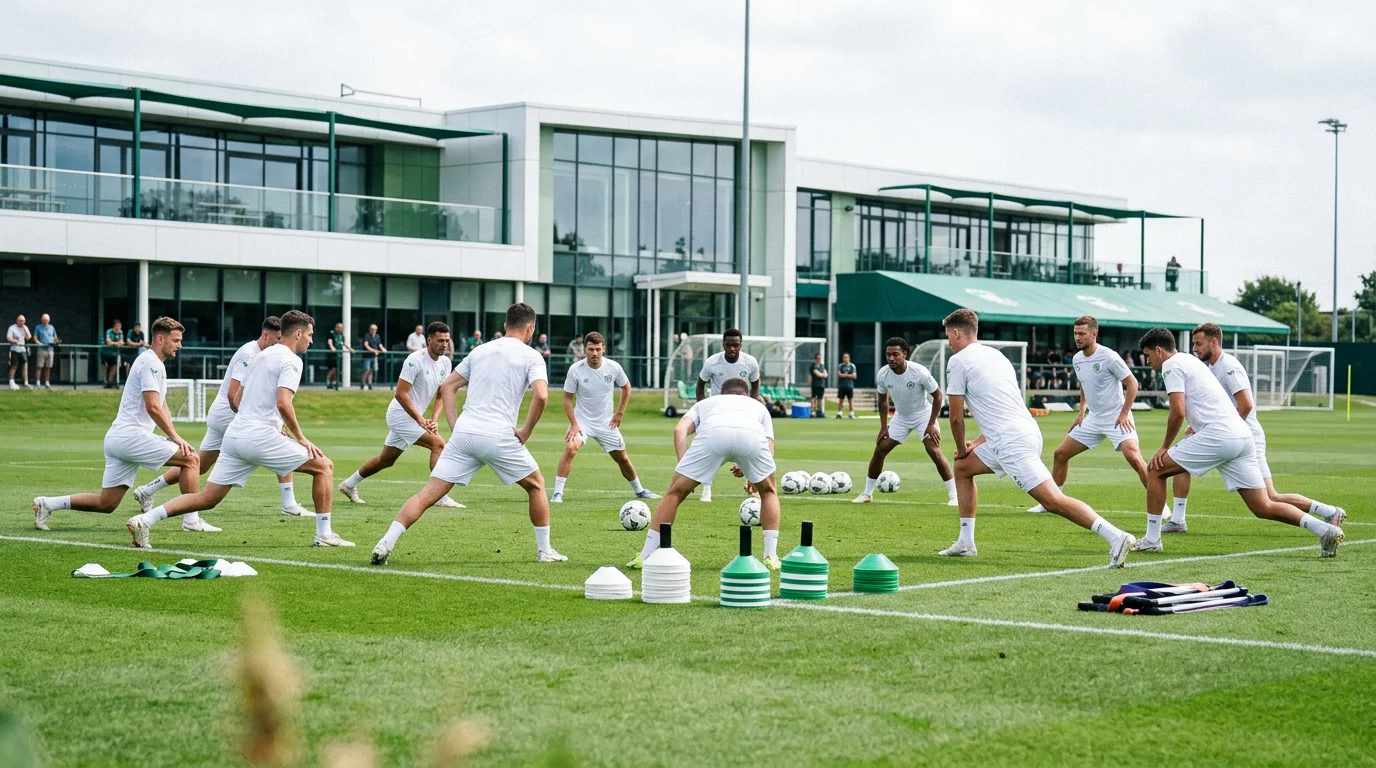
Our group stage matches are scheduled perfectly for Kiwi viewers. The Iran match kicks off at 1pm NZT on 16 June at SoFi Stadium in Los Angeles — a Monday afternoon that'll see pubs across the country packed for lunch. The Egypt fixture follows on 22 June at 1pm NZT, this time at BC Place in Vancouver. Our final group game against Belgium is set for 27 June at 3pm NZT, also in Vancouver. Two of three matches in a city with a strong New Zealand community means the atmosphere should feel almost home-like.
The squad itself revolves around one man: Chris Wood. The Nottingham Forest striker is our only proven top-flight goalscorer, with over 30 international goals and invaluable Premier League experience. His recovery from a knee injury sustained in March 2026 is the single most important storyline heading into the tournament. If Wood is fit and firing, we've got a target man who can hold the ball up against any defence. Without him at full capacity, our attacking threat diminishes significantly.
Beyond Wood, look for Sarpreet Singh's creativity in midfield, the experience of goalkeeper Stefan Marinovic, and whoever Darren Bazeley trusts to anchor the defence. The coach has built a team that understands its limitations but refuses to simply park the bus. In 2010, we earned draws against Italy, Paraguay, and Slovakia with disciplined defending and clinical counter-attacks. The formula hasn't changed — absorb pressure, stay organised, and punish mistakes.
The All Whites remain the only team in World Cup history to go unbeaten in a tournament without winning a match. Three draws in 2010 meant we finished with three points but exited on goal difference. One win this time could change everything.
For punters, the All Whites markets offer fascinating possibilities. The odds to win Group G sit around 26.00, which implies roughly 4% probability — ambitious but not laughable given Belgium's inconsistency. More interesting are the specific match markets. If Iran's form dips or their ageing strike partnership of Taremi and Azmoun underperforms, we could find value on a draw or even an upset win in the opener. The Egypt match shapes up as the genuine 50-50 — two teams of similar quality both desperate for points.
Kia kaha, indeed. The boys in white have earned their place on the biggest stage. Now it's about making the most of it.





How Betting Works in New Zealand: TAB NZ and What You Need to Know
A mate from London once asked me why New Zealand doesn't have a dozen competing bookmakers like the UK. I told him our gambling laws make more sense than a nation that lets betting companies sponsor children's football shirts. Since June 2025, the Racing Industry Amendment Act has made TAB NZ the sole legal operator for online sports and racing betting within New Zealand — no Bet365, no Sportsbet, no offshore alternatives operating legally. If you're placing a World Cup 2026 bet from Aotearoa, you're doing it through TAB NZ or its sister brand Betcha.
This regulated monopoly isn't about limiting choice — it's about channelling revenue back into New Zealand sport while enforcing responsible gambling measures that offshore operators routinely ignore. TAB NZ's annual contribution to racing and sport exceeds $1.9 billion, funding everything from grassroots athletics to the All Blacks. When you punt through the legal channel, you're supporting the infrastructure that develops future Chris Woods and Ryan Nelsens.
The complete guide to betting on the World Cup in New Zealand covers the signup process and platform details, but here's the essential overview. TAB NZ offers all the standard football markets you'd expect: match betting, outright tournament winner, group winner, top scorer, and various specials. Betcha, launched as a partnership with Entain, targets a younger demographic with a more streamlined mobile experience. Both platforms use decimal odds exclusively — the standard format throughout Australasia and most of Europe.
Decimal odds — The format showing total return per unit staked. Odds of 3.00 mean a $1 bet returns $3 total ($2 profit plus $1 stake). Multiply your stake by the odds to calculate potential returns.
Deposit options include POLi instant bank transfer, Visa, Mastercard, and direct bank deposit. Withdrawals process back to your bank account, typically within 1-3 business days. There are no e-wallets like PayPal or Skrill — another difference from offshore operators that Kiwi punters sometimes grumble about, but one that keeps the money trail transparent and traceable.
Advertising restrictions mean you won't see TAB plastered across every billboard and podcast like UK punters endure. Licensed operators can advertise, but harm-minimisation warnings are mandatory, and aggressive promotional tactics face regulatory scrutiny. This creates a calmer betting environment where you're less likely to be bombarded with "enhanced odds" or "acca insurance" gimmicks designed to encourage reckless wagering.
The bottom line for World Cup 2026: TAB NZ is your gateway to legal, regulated betting with full consumer protections. The odds are competitive with international markets, the platform is reliable, and your money stays onshore. If you want to back the All Whites or chase a Golden Boot longshot on Vinícius Jr, you know exactly where to go.
With the legal framework understood, let's look at what you're actually betting on — starting with how the 48-team tournament structure shapes the group stage.


The 12 Groups: Who's Playing Who
When FIFA announced the expansion to 48 teams, traditionalists howled about diluted quality. Having analysed the draw that emerged from December 2025, I'd argue the opposite. The 12-group format creates fascinating pockets of intrigue — death groups where giants collide, favourable draws where dark horses can flourish, and plenty of genuine uncertainty that keeps outright markets volatile until the knockout rounds crystallise. For punters, more teams means more markets, more data points, and more opportunities to find value where the casual observer sees only noise.
The format works like this: 12 groups of four teams each, with the top two from each group advancing directly to the Round of 32. But here's where it gets interesting — the eight best third-placed teams also qualify. That's 32 teams from 48 making the knockouts, which dramatically shifts the risk calculus for group-stage betting. A team that loses their opener isn't dead. A team that draws all three matches could still progress. The margins are tighter, and the permutations are endless.
Let's survey the landscape from a Kiwi betting perspective:
| Group | Teams | Key Narrative |
|---|---|---|
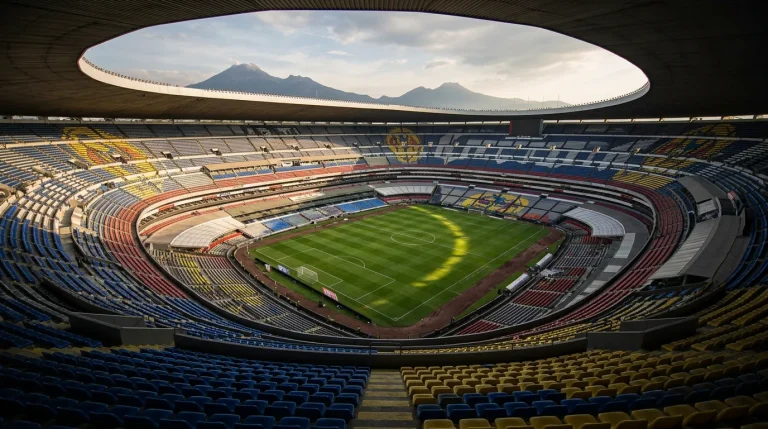
| A | Mexico, South Korea, South Africa, UEFA Playoff D | Hosts Mexico open the tournament at Estadio Azteca |
| B | Canada, Switzerland, Qatar, Bosnia and Herzegovina | Canada's home tournament begins in Toronto |
| C | Brazil, Morocco, Scotland, Haiti | Brazil vs Morocco is a genuine group decider |
| D | USA, Paraguay, Australia, Türkiye | Trans-Tasman interest: Socceroos face the host nation |
| E | Germany, Côte d'Ivoire, Ecuador, Curaçao | Germany expected to cruise; value on Ivory Coast |
| F | Netherlands, Japan, Tunisia, Sweden | Japan capable of topping a competitive group |
| G | Belgium, Egypt, Iran, New Zealand | Our group — analysed in detail below |
| H | Spain, Cape Verde, Saudi Arabia, Uruguay | Spain heavy favourites; Uruguay the danger team |
| I | France, Senegal, Norway, Iraq | France and Senegal separated by fine margins |
| J | Argentina, Algeria, Austria, DR Congo | Defending champions face African talent |
| K | Colombia, Senegal, Denmark, Panama | Three genuine contenders for two spots |
| L | England, Ghana, Croatia, Slovakia | England's "easy" draw — on paper |
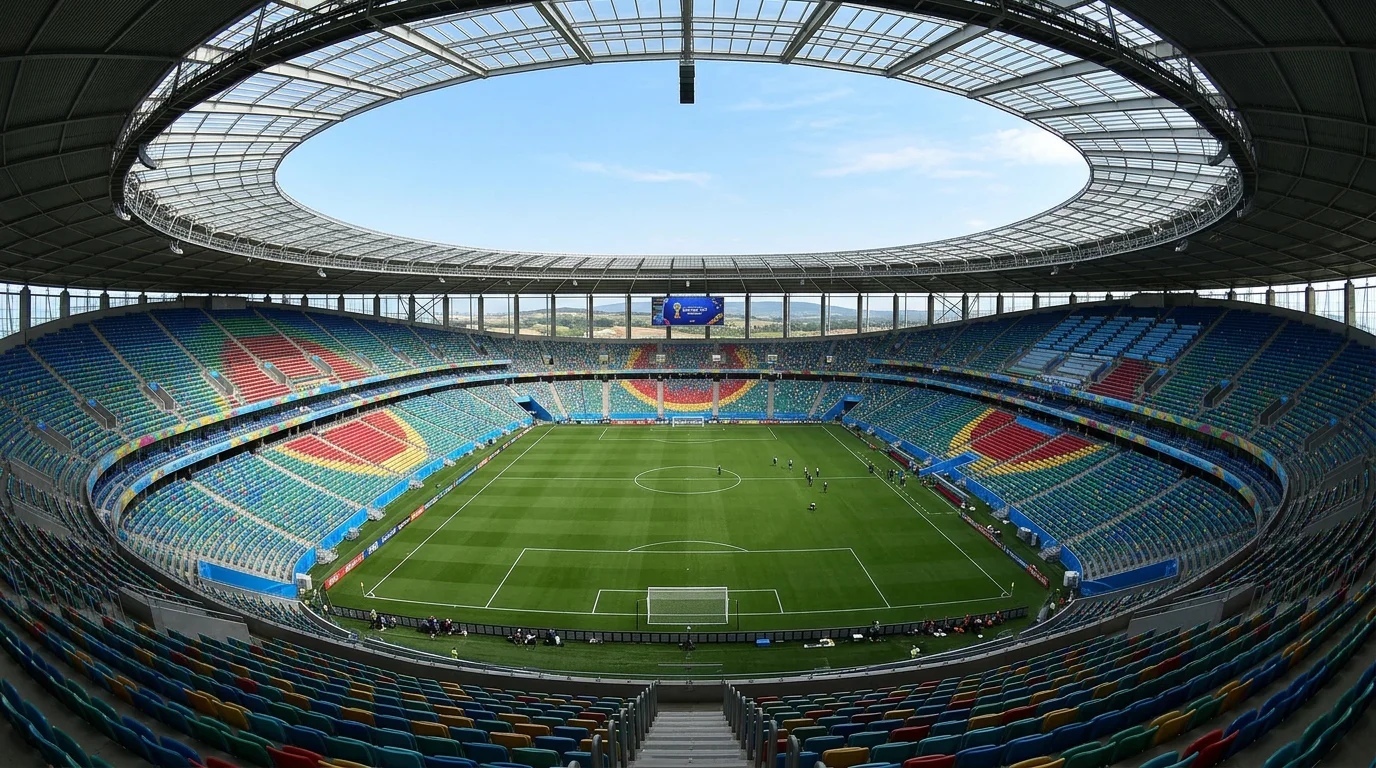
Group D carries secondary interest for Kiwi viewers because the Socceroos are there. Australia face hosts USA, resurgent Paraguay, and dangerous Türkiye — a brutal assignment that makes our Group G look positively welcoming by comparison. The trans-Tasman rivalry adds spice to any betting discussion: when both nations reach the World Cup, someone always wants a side wager on who progresses further.
The detailed Group G analysis breaks down each opponent and maps out the qualification scenarios. For now, understand that Belgium are Group G's clear favourites at around 1.40 to top the group, Egypt sit second in the betting around 3.50, Iran third at 5.00, and the All Whites are priced around 26.00 for the group win but a far more realistic 2.38 to advance in any position. Those advancement odds reflect the third-place safety net — exactly the structural quirk that gives underdogs genuine hope in this expanded format.


Understanding World Cup Odds: A Kiwi's Guide to Decimal Betting
I've lost count of how many times someone's shown me a betting slip and asked, "So if Brazil are at 5.50, does that mean they've got a 50% chance?" The confusion is understandable — decimal odds aren't intuitive until someone explains the simple maths behind them. Once you grasp the formula, you'll never look at a market the same way again. You'll start seeing value where others see only numbers, and you'll understand why the favourite isn't always the smart bet.
Decimal odds represent your total return per dollar staked, including your original stake. If Argentina are priced at 4.50 to win the World Cup and you place $20, your total return on a winning bet is $90 (20 × 4.50). Your actual profit is $70 because the $90 includes your original $20 stake. That's the entire system — multiply stake by odds, subtract stake, and you've got your profit.
Calculating returns on decimal odds
Stake: $50
Odds: 3.20 (England to win World Cup)
Total return if successful: $50 × 3.20 = $160
Net profit: $160 − $50 = $110
What makes decimal odds particularly useful for punters is the direct relationship between odds and implied probability. Divide 1 by the decimal odds, then multiply by 100 to get the implied percentage. France at 6.00 implies roughly 16.7% probability (1 ÷ 6.00 × 100). Belgium at 12.00 implies about 8.3% probability. This conversion lets you compare the bookmaker's assessment against your own analysis — and when your probability estimate exceeds theirs, you've potentially found value.
The comprehensive betting guide covers odds formats in greater depth, but here's the critical insight for World Cup betting: shorter odds (closer to 1.00) represent favourites with higher implied probability, while longer odds (10.00+) represent longshots with lower probability but much larger potential returns. A $10 bet on Argentina at 4.50 returns $45 total. The same $10 bet on the All Whites at 1001.00 would theoretically return $10,010 — the kind of life-changing number that appears on losing tickets far more often than winning ones.
Bookmakers build their profit margin into every market. If you added up the implied probabilities of every team winning the World Cup, the total would exceed 100% — that excess is the bookmaker's edge. For major tournament outright markets, this margin typically sits between 10% and 20%. Match betting markets run tighter margins, usually 5-8%. Understanding this helps you evaluate where your money faces the smallest mathematical disadvantage.
The formula every punter should memorise: Implied Probability = (1 ÷ Decimal Odds) × 100. When your assessed probability of an outcome exceeds the implied probability in the odds, you've identified potential value. This doesn't guarantee wins — it means you're making positive expected value decisions over time.
Don't fall into the trap of treating odds as predictions. Odds of 2.00 don't mean something has exactly 50% chance of happening — they mean the bookmaker has priced it at 50% implied probability, including their margin. Your job as a punter is to find spots where reality differs from those prices.
AllWhiteBets tool · Aotearoa edition
The Value Test: is your call actually beating the price?
Every guide tells you value means your probability > the implied probability. That's only half the story. The bookmaker's margin sits between what the market really thinks and the price you're offered — a dead zone where you can be more right than TAB and still lose money. Put your own read into the ruler below and see which side of it you land on.
The dead zone — probability scale
—
- Fair odds (margin stripped)
- —what the market really thinks
- Price your read deserves
- —break-even price for your %
- Edge per $100 staked
- —expected value, long run
- Sensible stake (½ Kelly)
- —of a NZ$1,000 bankroll
Reality check — 10,000 simulated tournaments of 20 bets
18+. This is an analysis tool, not a tip. Even a genuine edge loses over short runs — set a tournament budget you can afford to lose. Free, confidential help: Gambling Helpline NZ 0800 654 655.
Popular Betting Markets: From Outright Winner to Goal Scorers
The first World Cup bet I ever placed was on Spain to beat Portugal in the 2010 Round of 16. I'd done zero research beyond "Spain seem good," put $20 on at 2.10, and felt like a genius when they won 1-0. That accidental success taught me the worst possible lesson: that betting was easy. It took several tournaments of losses to understand that football offers dozens of market types, and the smartest punters aren't just picking winners — they're finding angles where the odds undervalue specific outcomes.
Let's focus on the categories that matter most for tournament betting:
Outright Markets
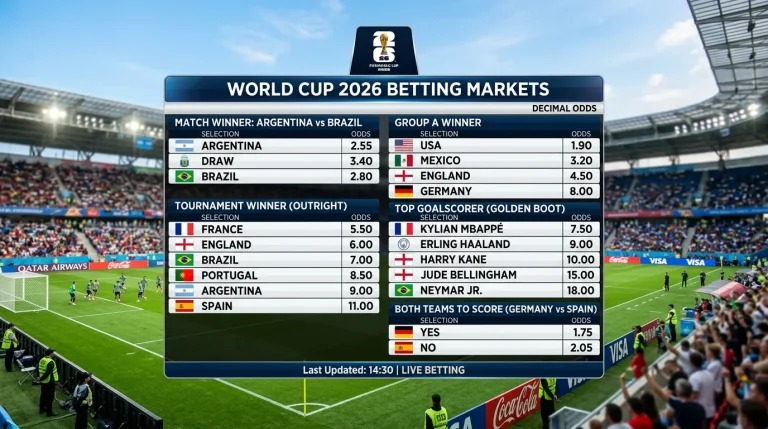
Tournament winner is the marquee market — who lifts the trophy on 19 July at MetLife Stadium. Current pricing has Argentina and France around 5.00-6.00, England and Brazil at 7.00-8.00, Spain around 9.00, and then a cluster of European contenders between 12.00 and 20.00. Beyond the top tier, you'll find teams like the USA (host nation advantage), Japan (consistently overperforming at World Cups), and Morocco (2022 semi-finalists) offering longer odds with genuine upset potential.
Other outright markets include top goalscorer (Golden Boot), best young player, tournament top assists, and various specials like "European team to win" or "South American team in final." The Golden Boot market historically rewards strikers from teams that reach at least the quarter-finals, giving you a shortlist of roughly 15-20 realistic contenders from the eight strongest nations.
Group Stage Markets
Group betting opens up fascinating possibilities. You can back a team to top their group, to qualify in any position, or to finish bottom. These markets let you stake on teams you believe will perform well without needing them to win the entire tournament. The All Whites to qualify from Group G at 2.38 is far more realistic than our 1001.00 outright odds, and it captures the essence of what we're actually hoping for — survival and progress.
Match Betting
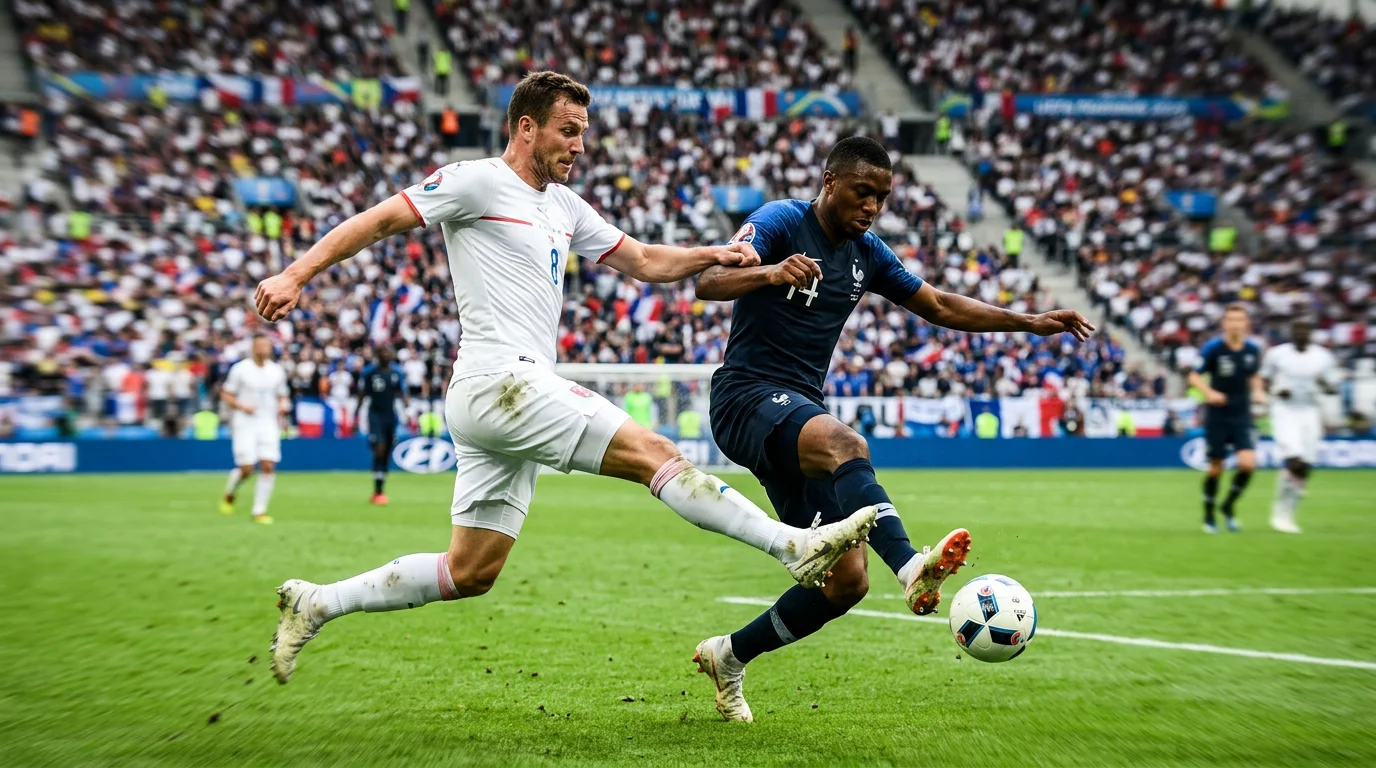
Individual match markets include match result (1X2), correct score, both teams to score, over/under goals, handicaps, and first goalscorer. These markets become available closer to each match day, with odds adjusting based on team news, injury updates, and betting patterns. Match betting requires more real-time attention than outright markets but offers more frequent opportunities to engage with the tournament.
At the 2022 World Cup, the most backed outright bet globally was Argentina to win at pre-tournament odds around 5.50. Meanwhile, the biggest upset by odds was Saudi Arabia defeating Argentina 2-1 in the group stage — a result that bankrupted countless accumulators but rewarded anyone brave enough to back the Saudis at 35.00.
Specials and Props
Proposition bets cover everything from "total goals in tournament" to "team to score first goal of World Cup" to player-specific performance metrics. These markets carry higher margins but appeal to punters who've done deep research on specific scenarios. Fancying a particular player to score in a particular match? There's a market for that. Convinced the final will go to penalties? You can find odds on that too.
For Kiwi punters specifically, the All Whites special markets — total points, total goals, Chris Wood anytime scorer bets — offer ways to back our boys with manageable stakes rather than chasing the impossible outright odds. Sometimes the joy is in the journey, not the trophy.
When to Watch: All Whites Match Times in NZT
The 2010 World Cup nearly destroyed my sleep schedule. With matches kicking off between midnight and 6am NZT, I became intimately familiar with caffeine dependency and Monday morning regret. The good news for 2026: geography has finally worked in our favour. The North American time zones mean most All Whites matches fall during Kiwi afternoon hours — civilised viewing that won't require taking leave or explaining bloodshot eyes to your boss.
Here's the complete All Whites Group G schedule converted to New Zealand Time:
| Match | Date (NZT) | Kick-off (NZT) | Venue | US Time Zone |
|---|---|---|---|---|
| Iran vs New Zealand | Monday 16 June | 1:00 PM | SoFi Stadium, Los Angeles | 6:00 PM PT (Sun 15 June) |
| New Zealand vs Egypt | Monday 22 June | 1:00 PM | BC Place, Vancouver | 6:00 PM PT (Sun 21 June) |
| New Zealand vs Belgium | Saturday 27 June | 3:00 PM | BC Place, Vancouver | 8:00 PM PT (Fri 26 June) |
The 1pm and 3pm NZT slots are genuinely ideal. Pubs and sports bars will be packed during lunch service. Workplaces with televisions will see productivity evaporate. The Monday fixtures mean some Kiwis might take half-days or use lunch breaks strategically. The Belgium match on a Saturday afternoon is practically prime viewing — no excuses needed.
Beyond our matches, the tournament's broader schedule creates interesting viewing windows. West Coast US matches (Los Angeles, San Francisco, Seattle) kick off at midnight-3am NZT for evening starts, meaning 5pm-8pm Pacific becomes 12pm-3pm the following day in New Zealand. East Coast matches (New York, Miami, Boston) run three hours later in local time but the same NZT conversion applies — add roughly 16-17 hours depending on daylight saving transitions.
The opening match between Mexico and South Africa at Estadio Azteca kicks off at 1:00 PM NZT on Thursday 12 June. The final at MetLife Stadium in New Jersey is scheduled for 11:00 AM NZT on Monday 20 July — a morning fixture that'll see families gathered around televisions before work and school. If the All Whites somehow made a miracle run that deep, I suspect national productivity would simply stop.
For punters, match timing affects betting behaviour. Live betting becomes more viable when you can actually watch matches in real-time rather than following text updates at 3am. The All Whites' afternoon kick-offs mean you'll be able to assess the game situation, watch momentum shifts, and potentially find in-play value — advantages that disappear when you're asleep during the action.
Tournament Favourites: Who's Tipped to Lift the Trophy
Every World Cup generates a consensus favourite that everyone backs and nobody beats — until someone does. Germany 2014. Spain 2010. Brazil at almost every tournament since 2002. The market converges on a handful of nations priced between 4.00 and 8.00, and then reality introduces chaos through injuries, red cards, penalty shootout trauma, and the inexplicable collapse of teams that looked unbeatable in qualifying. The complete World Cup 2026 odds breakdown tracks these movements, but here's where the market sits as the tournament approaches.
Argentina (4.50-5.00) enter as defending champions with a squad that won the 2022 World Cup, the 2024 Copa América, and continues to find new ways to grind out results. The Messi question dominates discussion: will he play, how fit is he, and can Argentina cope without their talisman if injuries strike? The supporting cast — Julián Álvarez, Alexis Mac Allister, Enzo Fernández — have matured into genuine world-class players. The price is short for a reason.
France (5.50-6.00) were 2022 runners-up and boast perhaps the deepest squad in the tournament. Kylian Mbappé's form will determine their ceiling, but even without him at peak sharpness, the midfield and defensive options are extraordinary. France's main enemy is France — internal drama, player disputes with coaches, and the occasional inexplicable group-stage stumble have derailed their recent campaigns.
England (7.00-8.00) carry the perpetual "it's coming home" optimism that collapses in semi-finals and penalty shootouts. The talent pool runs deep: Bellingham, Saka, Foden, Rice, and a new generation of attackers who've been winning at youth level for years. Whether they can translate club success into tournament glory remains football's great unanswered question for English fans.
Brazil (7.50-8.50) are rebuilding after the Qatar 2022 disappointment. Vinícius Jr leads a new wave of attacking talent, but the Neymar era has ended and the transition brings uncertainty. Brazilians expect to win every tournament, and anything less than the final will be considered failure.
Spain (9.00-10.00) won Euro 2024 with a young, dynamic squad that plays possession football with actual cutting edge. If the development curve continues, they could be the tournament's most improved team from two years ago. Lamine Yamal will be 18 by the World Cup — old enough to dominate, young enough to have no fear.

Beyond the top five, the market offers Germany, Netherlands, Portugal, and Belgium in the 12.00-18.00 range. Host nation USA at around 15.00 represents an interesting proposition — home advantage in tournament football is statistically significant, and the USMNT has quietly assembled a talented squad playing in top European leagues.
Tournament favourites typically convert at around 15-20% for outright markets. That means even the best-priced team loses roughly four times out of five. Value hunting in the 10.00-25.00 range often yields better long-term results than repeatedly backing 5.00 shots.
Value Picks: Where Smart Kiwi Punters Are Looking
The punters who cleaned up at the 2022 World Cup weren't the ones who backed Argentina at 5.50. They were the ones who spotted Morocco at 150.00 to reach the semi-finals, Japan at 8.00 to top their group ahead of Spain and Germany, and Saudi Arabia at silly prices to beat Argentina in the group stage. Value betting isn't about picking winners — it's about finding odds that underestimate an outcome's true probability.
I approach tournament value hunting with a simple framework: identify what the market might be missing. This usually falls into three categories — teams with improved squads since the last tournament, players hitting peak form at the right time, and structural factors that create mismatches the odds haven't fully priced.
Japan (25.00-30.00 outright) exemplify the first category. They've beaten Germany and Spain at the last World Cup, their squad plays in top European leagues, and they've developed a tactical flexibility that makes them genuinely unpredictable. Group F alongside Netherlands, Tunisia, and Sweden is navigable. The price is too long for a team that could realistically reach the quarter-finals.
USA (15.00-18.00 outright) combine home advantage with the best generation of American players in history. Christian Pulisic, Weston McKennie, and Timothy Weah lead a squad that's been developing together through youth ranks and tournament cycles. Playing in front of 80,000 home supporters at MetLife or SoFi Stadium creates an atmosphere advantage that odds models struggle to quantify.
Morocco (40.00-50.00 outright) weren't a one-tournament fluke in 2022. That semi-final run reflected genuine quality: Hakimi, Amrabat, Ziyech, and a defensive discipline that frustrated Spain and Portugal. They're drawn in a manageable Group C alongside Brazil — a tough match, but Scotland and Haiti should yield at least six points.
For Kiwi-specific value, consider the All Whites group betting markets. To qualify from Group G at 2.38 represents around 42% implied probability. I'd argue our actual chances are closer to 50% given the third-place safety net and Belgium's tendency to underwhelm. Chris Wood anytime scorer in individual matches offers reasonable prices if he's fully fit — Premier League strikers don't suddenly forget how to finish at tournament level.
The danger with value betting is confirmation bias. It's easy to convince yourself every longshot has hidden upside. The discipline is in the selection — finding three or four genuine value spots rather than backing fifteen "possibilities" that drain your bankroll through volume.
Before you stake real money on any of these picks, make sure responsible gambling isn't just a tagline you skip past.
Betting Responsibly: Resources for New Zealand
I've seen tournament football turn sensible punters into desperate chasers. It happens fast: one bad beat leads to a double-or-nothing recovery attempt, which leads to the credit card coming out, which leads to the kind of spiral that turns entertainment into genuine harm. Eight years in this industry has taught me that the difference between having fun with World Cup betting and developing a problem often comes down to rules you set before the tournament starts.
TAB NZ provides built-in responsible gambling tools that I genuinely recommend using. Deposit limits let you cap how much you can add to your account daily, weekly, or monthly. Loss limits trigger warnings when you hit predetermined thresholds. Session time reminders prompt you to take breaks during long betting sessions. These aren't nanny-state restrictions — they're guardrails that keep the wheels from coming off when emotion overrides logic.
The Gambling Helpline (0800 654 655) operates 24/7 and offers free, confidential support for anyone concerned about their gambling or someone else's. Problem Gambling Foundation services are available through referral. Self-exclusion programs allow you to voluntarily ban yourself from TAB services for periods ranging from six months to indefinite. These resources exist because approximately 80% of New Zealanders gamble in some form, and a meaningful percentage experience harm.
Set a tournament budget before the opening match. Decide what you can afford to lose entirely — not win, lose. Treat that amount as entertainment spending on par with concert tickets or a nice dinner. When it's gone, it's gone. No top-ups, no chasing, no convincing yourself that one more bet will fix everything. The World Cup lasts 39 days. Your financial wellbeing lasts the rest of your life.
The goal is enjoyment. Betting should amplify the excitement of watching the All Whites, not create anxiety that drowns out the football.
Frequently Asked Questions
When does the World Cup 2026 start and finish?
The FIFA World Cup 2026 runs from 11 June to 19 July 2026 — a 39-day tournament spread across the United States, Mexico, and Canada. The opening match sees host nation Mexico face South Africa at Estadio Azteca in Mexico City. The final takes place at MetLife Stadium in East Rutherford, New Jersey, which converts to 11:00 AM NZT on Monday 20 July for Kiwi viewers. The expanded 48-team format means 104 matches total, up from 64 at the previous 32-team tournaments.
How do I legally bet on the World Cup in New Zealand?
TAB NZ is the sole legal operator for online sports betting in New Zealand following the Racing Industry Amendment Act 2025. You can place World Cup bets through the TAB NZ website, mobile app, or retail outlets. Betcha, TAB's sister brand, offers an alternative interface. To create an account, you'll need to be 18 or older, provide identification for verification, and use a New Zealand bank account for deposits and withdrawals. Offshore bookmakers cannot legally accept bets from New Zealand residents.
What are the All Whites' chances at World Cup 2026?
Realistic but challenging. New Zealand face Belgium (ranked 3rd), Egypt (33rd), and Iran (21st) in Group G. Current odds price the All Whites around 2.38 to advance from the group, which represents approximately 42% implied probability. The expanded format helps — eight best third-placed teams progress alongside the top two from each group, meaning 3-4 points could be enough. A draw against Iran and a victory over Egypt represents the most plausible path. The All Whites' outright odds to win the tournament (around 1001.00) are obviously astronomical, but group-stage progress is genuinely achievable.
What time are the All Whites matches in New Zealand time?
The All Whites' group stage matches fall at civilised Kiwi viewing hours thanks to North American time zones. Iran vs New Zealand kicks off at 1:00 PM NZT on Monday 16 June at SoFi Stadium in Los Angeles. New Zealand vs Egypt starts at 1:00 PM NZT on Monday 22 June at BC Place in Vancouver. New Zealand vs Belgium is scheduled for 3:00 PM NZT on Saturday 27 June, also at BC Place. These afternoon slots are perfect for pub viewing and significantly easier than the overnight matches that plagued previous tournaments held in Europe and the Middle East.
Who are the favourites to win World Cup 2026?
Argentina (defending champions) and France lead the betting at approximately 5.00-6.00. England and Brazil sit in the 7.00-8.50 range, followed by Spain around 9.00-10.00. Germany, Netherlands, Portugal, and Belgium occupy the 12.00-18.00 tier. Host nation USA at 15.00-18.00 represents interesting value given home advantage. The market is relatively condensed at the top — no single dominant favourite — which reflects genuine uncertainty about tournament outcomes in this expanded 48-team format.
What does decimal odds of 3.50 mean?
Decimal odds of 3.50 means that for every dollar you stake, your total return if successful is $3.50 (including your original stake). So a $20 bet at odds of 3.50 returns $70 total, with $50 being your net profit. To calculate implied probability from decimal odds, divide 1 by the odds and multiply by 100: 1 ÷ 3.50 × 100 = 28.6% implied probability. Decimal odds are the standard format used in New Zealand, Australia, and most of Europe, making them essential to understand for World Cup betting.
Is Chris Wood fit for the World Cup?
Chris Wood sustained a knee injury in March 2026 while playing for Nottingham Forest in the Premier League. His recovery timeline has been the most scrutinised storyline in New Zealand football leading into the tournament. At time of writing, Wood is expected to be fit for the opening match against Iran, though match sharpness after an injury layoff remains a concern. Wood's fitness is critical — he's the All Whites' only proven top-flight goalscorer with 30+ international goals, and New Zealand's attacking threat diminishes significantly without him at full capacity.
